
Diving into the electrifying atmosphere of a concert is an unforgettable experience. A question often lingers among music fans: how long does a concert typically last? To answer this query, one must consider the music, the artist themselves, and the venue of the event. These elements can greatly influence the duration of a show. A detailed guide to understanding the usual length of a concert will provide music lovers, whether they are novices or veterans, a better idea of what to expect when purchasing a ticket for a concert.
The History of Concerts: From Origins to Today
The concept of ‘concert duration’ is a key element for any music enthusiast, event organizer, or even artist. This variable largely depends on the type of concert in question.
To illustrate this diversity, let’s take the example of pop and rock concerts: they generally last from two to three hours. Some iconic musicians like Bruce Springsteen or Paul McCartney are known for their stage performances that can sometimes reach up to four hours! This highlights the interest some artists have in the concept of ‘concert duration’, seeing it as an opportunity to offer a complete and varied show to their audience.
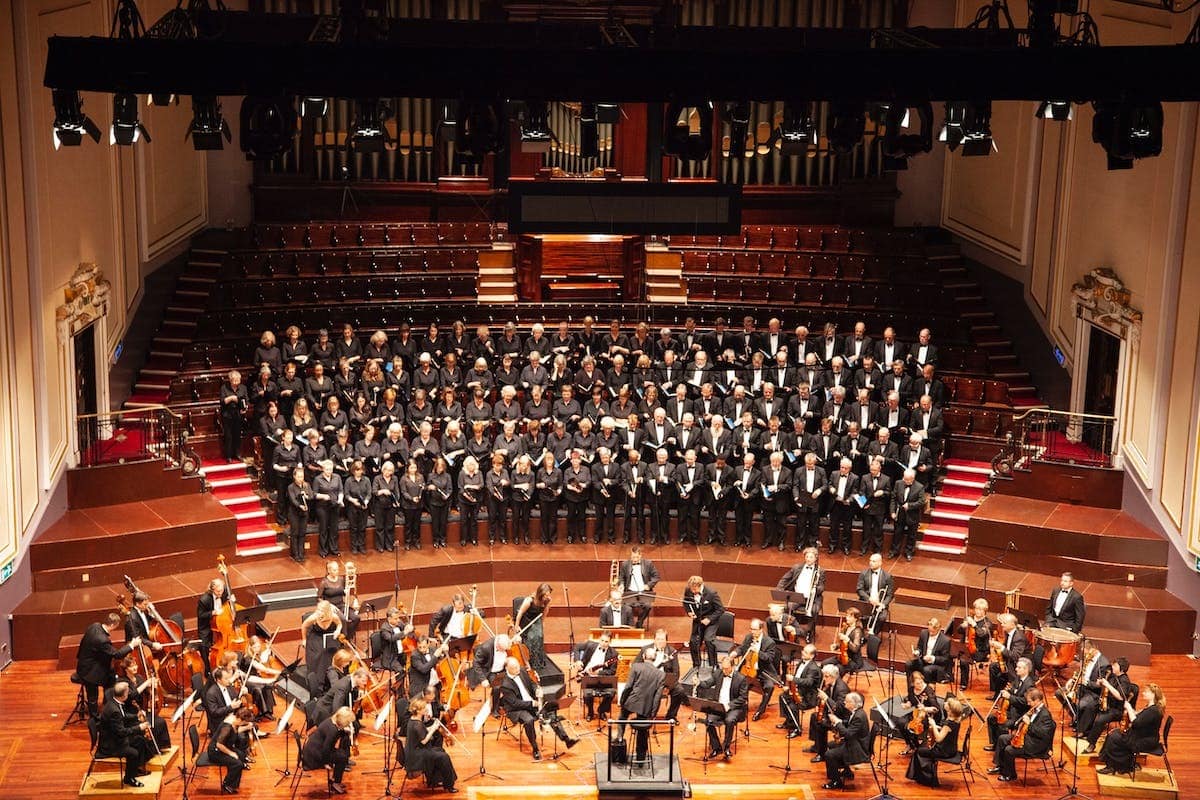
Classical concerts represent another musical genre where ‘concert duration’ also plays its role. On average, these events last between one and a half to two hours • during which music lovers have the opportunity to experience performances rich in intensity despite this temporal conciseness.
As for music festivals with their distinctive format, they often offer several days entirely dedicated to music; each band performing in turn on stage for about 30 minutes to an hour each. The cumulative total then represents not just the ‘concert duration’, but rather that of a true musical marathon!
It is therefore crucial for all live music enthusiasts to understand that there are different interpretations of the term ‘concert duration’. This understanding will help improve your planning for music events and may also assist you in your clothing choices if the festival spans an entire day under the blazing sun, for example! And remember that no matter the precise duration of the show awaiting you • each live experience has its own intrinsic charm thanks to the unique collective sharing it offers.
Making the Most of a Concert: Tips for Managing Time
Within the complex universe of concerts, many factors can influence the duration of a musical performance. The repertoire played by the artist is a determining element. Indeed, some artists offer shorter sets with a careful selection of their hit songs, while others opt for longer and more elaborate performances, even incorporating improvisations.
The popularity of the artist can also play a significant role in the duration of the concert. World-renowned musical icons often have an impressive discography and can afford to extend their performance over several hours to satisfy an eager audience.
Another aspect to consider is the musical genre itself. Some genres like rock or metal are known for offering spectators sonic marathons that can stretch up to three hours or more. Other genres, such as electronic music, generally favor continuous and rhythmic mixes that maintain the audience’s energy without requiring excessive duration.
The nature of the venue where the concert takes place also influences its usual duration. Music festivals often give artists a fixed time slot that they must adhere to strictly so that all participants can fully enjoy the packed schedule planned for the day. In contrast, when it comes to a traditional concert hall, there may be more flexibility regarding the extension or not of the show based on the wishes of both the artist and the audience.
Remember that a concert is not just a succession of songs played by an artist. It is also a visual and scenic experience where elements such as lighting effects, decorations, or interludes can help to pace the musical performance. All these elements contribute to the whole and help create a unique atmosphere that will remain etched in the memory of the spectators.
The usual duration of a concert depends on multiple factors, ranging from the repertoire chosen by the artist to the musical genre, as well as the level of popularity and the venue of the show. Each concert is thus a unique experience that offers spectators an unforgettable musical journey.