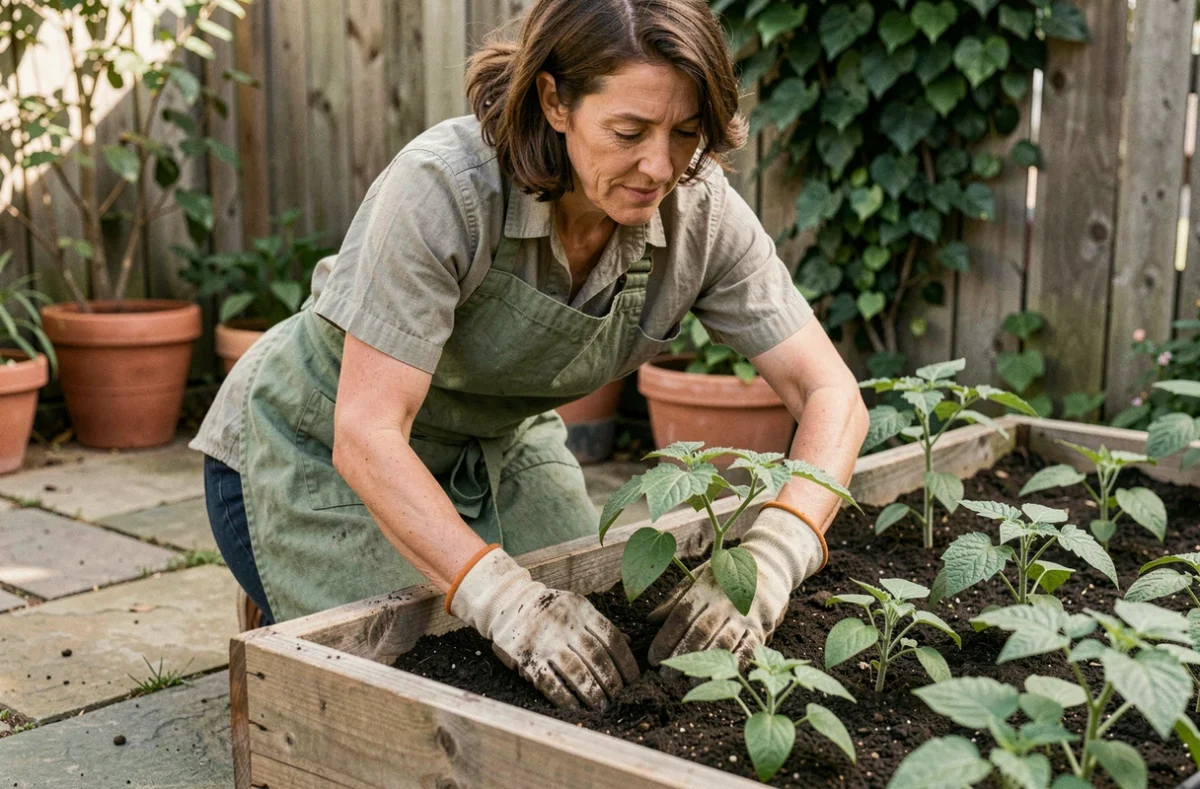
A garden that stays productive and in bloom all year round doesn’t require more work, just better-timed tasks. The key to natural gardening is simple: observe the soil, available water and local climate before deciding what to plant.
Since January 1, 2019, individuals have been prohibited from buying, possessing or using synthetic pesticides. Since July 1, 2022, this restriction has also applied to private residential properties and community gardens. Natural gardening is no longer an activist choice—it’s the law.
Garden watering restrictions: what local orders really mean
Have you ever noticed your neighbor watering their tomatoes in the morning when you thought watering was prohibited? The confusion stems from the fact that watering rules vary from one municipality to another and can change in the middle of the season, depending on drought conditions and the river basin concerned.
Prefectural orders don’t apply only to lawns or farms. Depending on the area and alert level, watering vegetable gardens and flower beds may be restricted to certain times of day or even banned altogether. For example, in November 2026, the town of Foug announced restrictions directly affecting vegetable gardens and flower beds.
One point that’s often misunderstood: when river flows improve, many people ease up on their water-saving efforts. In Creuse, an article published by Réussir on November 8, 2026, reported that restrictions had been eased, but groundwater reserves had not yet benefited from significant replenishment.
In other words, surface conditions don’t reflect what’s happening underground. Before turning on the hose, make a habit of checking your prefecture or town hall’s website for the current restrictions.
Practical guides and growing calendars tailored to water constraints are available at https://www.jardiniers.info, helping you plan your planting around periods when restrictions are in force.
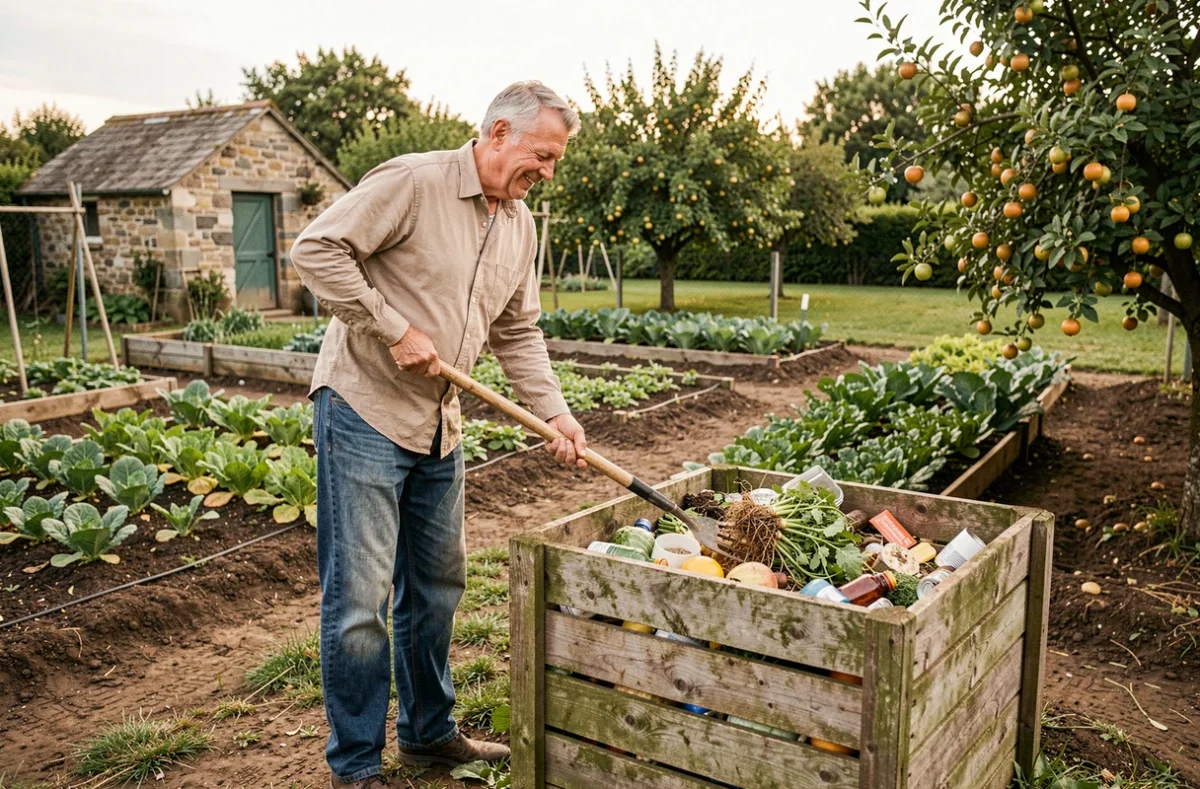
Save water in the garden all year without sacrificing your harvest
Using less water doesn’t mean watching your plants wilt. A few techniques, applied at the right time, can make a real difference.
Mulching: the most effective step
Covering the soil around plants with straw, fallen leaves, shredded branches or dried grass clippings reduces evaporation. A layer of mulch several centimeters thick can significantly reduce the need for watering. In winter, the same mulch protects roots from frost. In summer, it keeps the soil cool and slows weed growth.
Water less often, but more thoroughly
A common mistake is watering a little every day. The result: roots stay near the surface and plants become more vulnerable. Deep watering two to three times a week encourages roots to grow down in search of water. Water early in the morning or late in the day, never in full sun.
For vegetable gardens, drip irrigation is still the most water-efficient method. A simple soaker hose laid along the rows is all you need. Water goes straight to the roots without wetting the foliage, which also helps limit fungal diseases.
Choose drought-tolerant plants
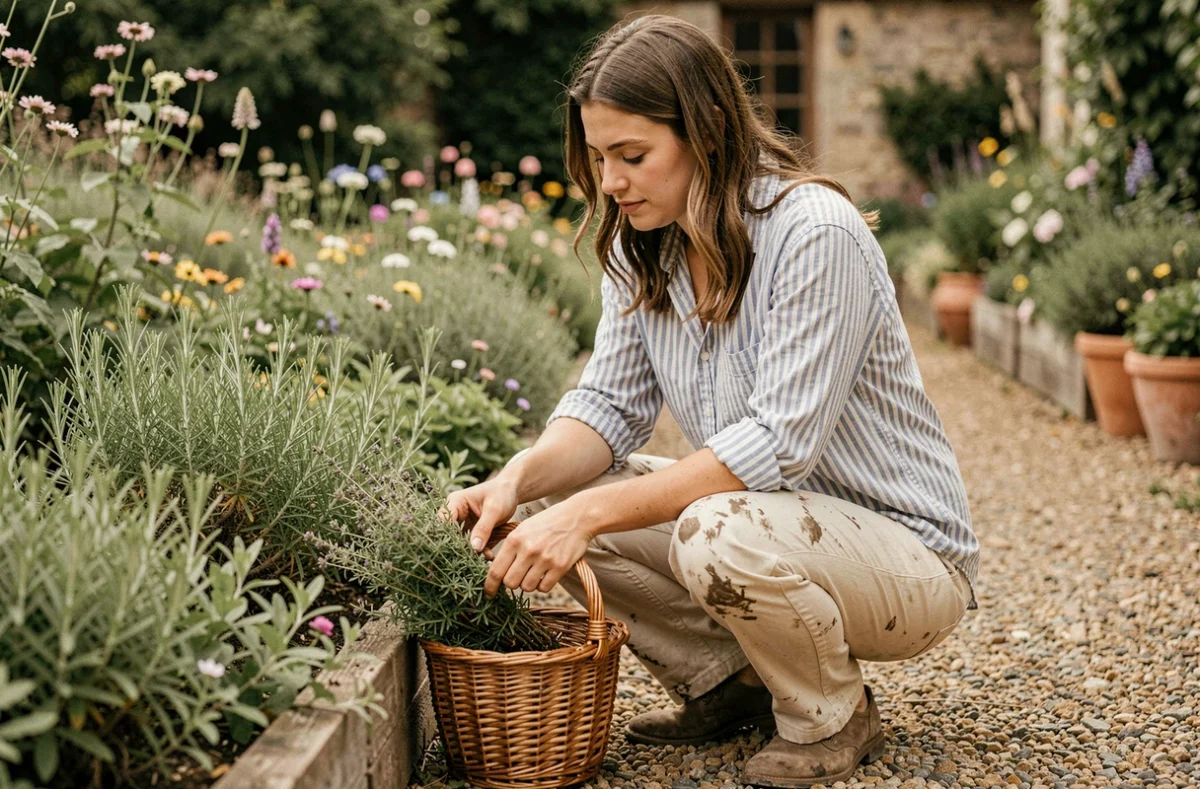
Instead of fighting the climate, choose varieties that can cope with it. Mediterranean herbs such as thyme, rosemary, lavender and sage need very little water once established. In the vegetable garden, some heirloom tomato and squash varieties tolerate water stress better than common hybrids.
- For flower beds, choose deep-rooted perennials such as yarrow, gaura and catmint. They can get through the summer without regular watering.
- In the vegetable garden, grow leafy vegetables such as lettuce and spinach in the shade of taller plants such as corn and sunflowers to reduce direct sun exposure.
- Collect rainwater in tanks or barrels. Even a small rain barrel can meet some of the needs of a modest vegetable garden.
Natural garden products: what’s allowed and what isn’t
The ban on synthetic pesticides for individuals has created a market for products labeled “natural” or “organic.” But a product of natural origin is not automatically risk-free or permitted in every situation.
According to an article published by Graines Bio on October 31, 2026, biocontrol products, low-risk products and those approved for organic farming are exempt from the general ban. However, for a product to be used in a home garden, it must carry the wording “authorized for use in gardens.” A “natural origin” label alone isn’t enough.
Before buying a treatment, check the official list maintained by the authorities. Homemade nettle tea is an excellent foliar stimulant, but it won’t treat a downy mildew outbreak. Sulfur and Bordeaux mixture (copper-based) are permitted, provided you follow the recommended doses: even naturally occurring copper accumulates in the soil and eventually harms microbial life.
- Start with prevention: rotate crops, companion plant and promptly remove diseased parts.
- Provide shelter for beneficial insects (insect hotels, wood piles and diverse hedges) so ladybugs, hoverflies and lacewings can naturally control aphids.
- If treatment is necessary, read the entire label and check for the wording “gardens.”
A natural gardening calendar: care for your garden season by season
A garden that flourishes all year depends on a sequence of simple tasks timed to the seasons, not to a fixed date.
In fall, prepare the soil instead of leaving it bare. Sow green manures such as mustard, phacelia and clover to protect the soil from erosion, fix nitrogen and feed microorganisms. In winter, keep the soil covered and plan your sowings. It’s also the time to prune deciduous fruit trees.
In spring, sow gradually rather than all at once. Staggering lettuce or radish sowings over several weeks ensures a steady harvest instead of one big flush followed by a lull. In summer, focus on mulching, careful watering and harvesting.
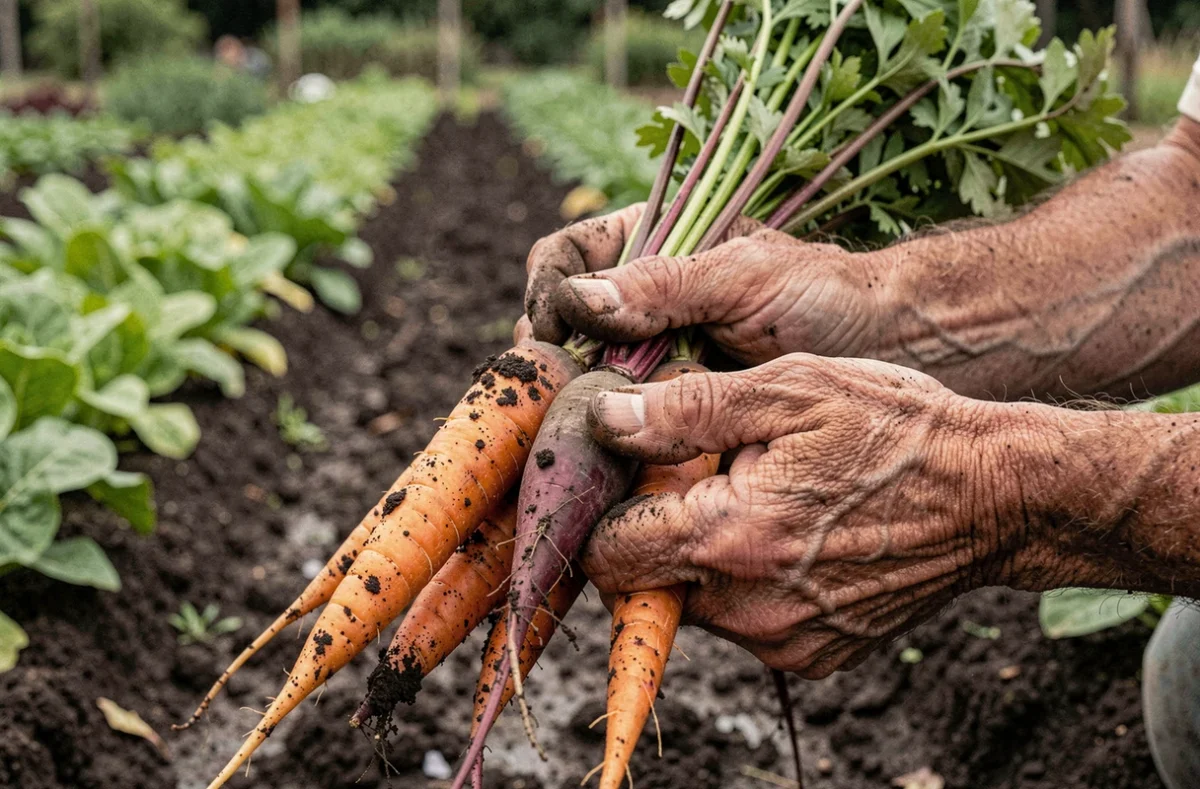
Natural gardening comes down to three habits: check local water rules before watering, keep the soil covered and use only products labeled “authorized for use in gardens.” The rest is taken care of by living soil.