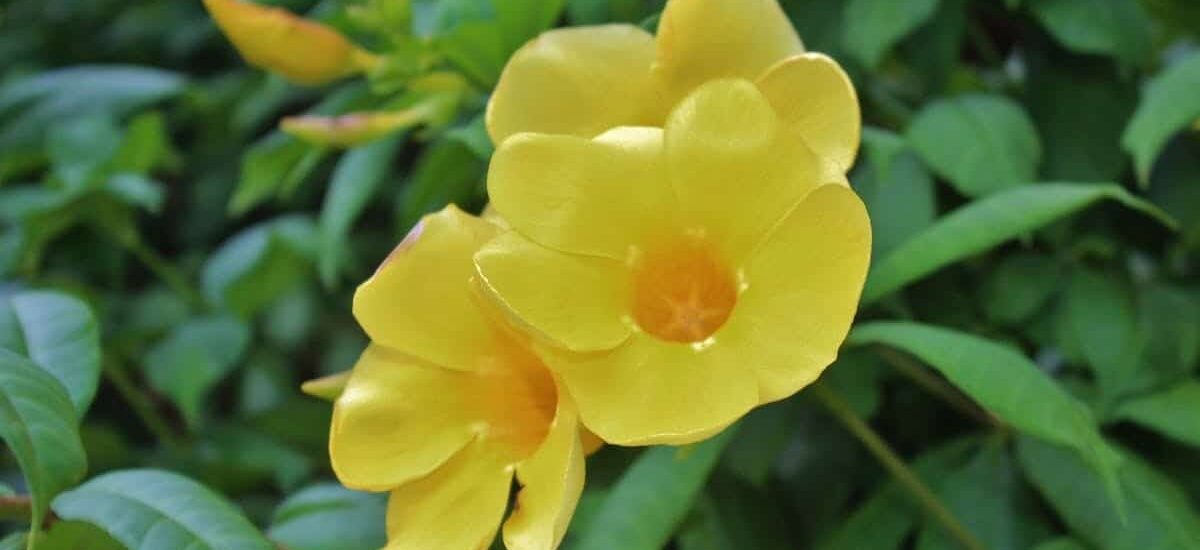
In the gardening world, the Dipladenia, a flower with sumptuous bright colors, is a popular choice for its resilience and beauty. This tropical climbing plant is not immune to diseases affecting its foliage. These diseases, whether caused by fungi, viruses, or pests, can alter the plant’s appearance and even threaten its survival. The warning signs to watch for, preventive measures to implement, and available treatments to combat these diseases constitute essential information for any Dipladenia enthusiast concerned about the health of their plants.
Dipladenia: Symptoms of Foliage Diseases
The dipladenia, a outdoor plant appreciated for its generous flowering and evergreen leaves, can be subject to various health issues that affect its foliage. Among the common diseases of Dipladenia, we find bacterial wilt, rust, and powdery mildew.
Bacterial wilt is a ‘dipladenia foliage disease’ often caused by excess water in the soil leading to root decay. This condition manifests as yellowing of the foliage accompanied by stunted growth. To prevent this troublesome condition, it is important to ensure that you do not overwater your plant and that its environment allows for good drainage.
Dipladenia rust is another characteristic disease that appears as orange spots on the leaves. Mainly due to high humidity or a lack of ventilation around the plant, you can avoid this by ensuring good air circulation around the dipladenia while keeping its environment as dry as possible.
As for powdery mildew, it is also a ‘dipladenia foliage disease’, recognizable by the white powdery deposit it leaves on the leaves or stems. Warm and humid conditions are conducive to the development of this fungal infection, so limit unnecessary exposure to these environmental factors as much as possible.
To naturally treat these foliar infections in Dipladenias, some home remedies can be employed: spray your plants with a diluted mixture primarily composed of water and baking soda; regularly apply antifungal essential oils…
If you are considering more aggressive chemical treatments against pest attacks on your flat-winged diplomat, be sure to consult a specialist beforehand so they can prescribe the appropriate product while strictly adhering to the indicated dosage.
In summary, to mitigate the potential risks associated with the various ‘Dipladia Foliage Diseases’, make sure that your plant benefits from good irrigation while restricting as much as possible any excessive source of moisture that could potentially harm its plant health. It is also essential to ensure that air circulates freely around it at all times.
This certainly requires some time investment, but the effort will be well compensated when you enjoy the magnificent view of colorful, vigorous flowers that can produce for a long year. Always keep in mind to never hesitate to seek professional advice if you have the slightest concern regarding plant health—your plants will thank you!
Common Diseases: Knowing the Risks
The common diseases that affect the foliage of Dipladenia can be prevented through various factors. It is essential to choose a suitable location for your plant. Opt for a sunny spot but with some protection against strong winds, as this will promote the good health of your Dipladenia.
Ensure that your plant receives regular and balanced irrigation. Avoid excess water that can lead to root rot and promote the development of bacterial pathogens. It is recommended to water directly at the base of the plant rather than by spraying on the leaves, to avoid excessive moisture on them.
Another important preventive measure is to maintain good hygiene around your plants. Regularly remove dead or diseased leaves to eliminate any potentially infectious sources. Ensure that your gardening tools are clean and disinfected before each use, especially after handling plants already affected by fungal or bacterial diseases.
The use of organic mulch can also be beneficial in preventing foliar diseases in Dipladenia. Mulch helps maintain balanced moisture in the soil and protects the roots from thermal stress. Choose a natural mulch such as shredded bark or straw rather than synthetic material.
Crop diversification can also help prevent diseases in Dipladenia. Avoid replanting the same species in the same location multiple times, as this promotes the accumulation of pathogens specific to that plant. Instead, favor crop rotation and the introduction of other plants that can act as natural repellents against pests or pathogens of Dipladenia.
It is essential to take certain measures to prevent common diseases affecting the foliage of Dipladenia. By wisely choosing its location, ensuring adequate irrigation, maintaining good hygiene, and using techniques such as organic mulch and crop diversification, you can protect your plant from these undesirable conditions. Do not hesitate to consult a specialist if you need additional help in preventing these foliar diseases to ensure the optimal health of your Dipladenia throughout the year.
Natural Treatment: Caring for Affected Leaves
When natural treatment methods fail to effectively eliminate foliage diseases of Dipladenia, it is possible to resort to chemical treatment methods. It is important to emphasize that these treatments should be used with caution and in accordance with the recommended dosages.
Among the main chemical products used to treat foliage diseases of Dipladenia, we find fungicides and insecticides. Fungicides are specifically designed to combat fungal infections that can affect the plant, such as rust or powdery mildew. These products work by inhibiting the development of the fungi responsible for these diseases, thus allowing for the restoration of foliage health.
Chemical Treatment: When the Radical Solution is Necessary
Maintaining a healthy foliage of Dipladenia requires special attention and the application of good horticultural practices. Here are some wise tips to prevent diseases and promote the vitality of your plant.
Make sure to choose an appropriate location for your Dipladenia. This plant, native to tropical regions, needs a sunny exposure, with at least six hours of direct sunlight per day. Avoid shaded or poorly ventilated areas that favor the development of fungal diseases.
Ensure to maintain a good level of soil moisture. Dipladenia prefers slightly moist but well-drained soils. Excess water can lead to root rot and promote the proliferation of pathogenic fungi. Water moderately, ensuring that water drains properly.
Another crucial point is the adequate fertilization of Dipladenia. Use a balanced fertilizer rich in nitrogen, phosphorus, and potassium to nourish the plant throughout its growth. This will strengthen its natural immune system and thus enhance its resistance to diseases.
Regular pruning of Dipladenia also contributes to maintaining its healthy foliage.
Healthy Foliage: Tips for Caring for Dipladenia
Pruning helps remove damaged or diseased parts, thus limiting the spread of infections. It is important to maintain good air circulation around the plant by adequately spacing pots or placing the Dipladenia in a ventilated area.
Another common affliction is black spot, caused by the fungus Diplocarpon maculatum. Symptoms include dark spots on the leaves that can develop and cause premature leaf drop. To combat this disease, young shoots should be removed, leading to a general weakening of the plant. Regular spraying with insecticidal soap can help control these pests.
Let’s not forget about mealybugs, which often hide under the leaves, forming cottony clusters. Use a soft brush soaked in rubbing alcohol to eliminate these pests, and if the infestation is severe, consider using a specific insecticide.
Dipladenia can face various health issues related to its foliage. By adopting appropriate cultural practices such as proper sun exposure, moderate and regular watering, and adequate pruning, you can effectively prevent these diseases. In case of suspected symptoms or confirmed infection, do not hesitate to consult a professional who can guide you towards suitable treatments to restore the vigor of the Dipladenia.