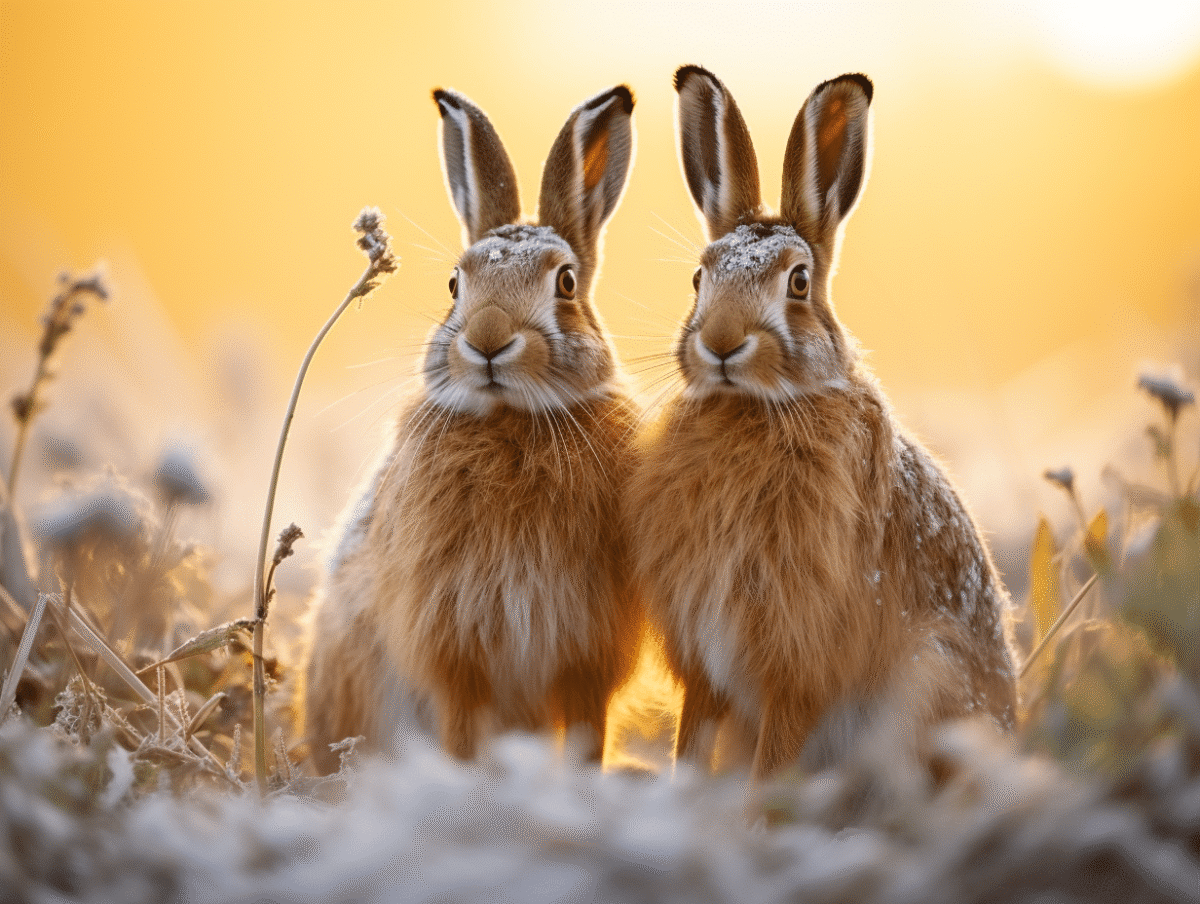
Hares, these agile and fast mammals, inhabit various regions of the globe and intrigue with their specific biology. One particularly interesting aspect is the distinction between males and females, which goes well beyond initial physical characteristics. The sexual differences in these animals can include variations in territorial behaviors, reproductive strategies, and even life cycles. Females, often larger, may exhibit more aggressive behaviors during the mating season, while males develop unique seduction tactics. Understanding these nuances is essential for grasping the dynamics of these species and the challenges they face.
The physical differences between male and female hares
Sexual dimorphism in hares is notably expressed through physical differences that play a crucial role in the reproductive and survival dynamics of these mammals. On one hand, the female hare often stands out with a slightly larger size than the male, a feature that gives her an advantage during gestation and in protecting her offspring from predators. This size divergence is not the only characteristic that separates the sexes.
Males sometimes display more pronounced physical attributes during the mating season, such as longer ears or more developed musculature, allowing them to compete with each other for access to females. These male characteristics are the result of evolutionary pressures favoring individuals best able to assert themselves during courtship rituals.
The fur may also vary slightly between the sexes, with subtle shades reflecting the adaptive strategies of each sex. Females, in particular, sometimes develop hues that better camouflage them in their environment, providing additional protection when they are vulnerable during gestation and rearing young. These physical differences between males and females, although less obvious than in other species, testify to the extraordinary adaptation of hares to their ecosystem.
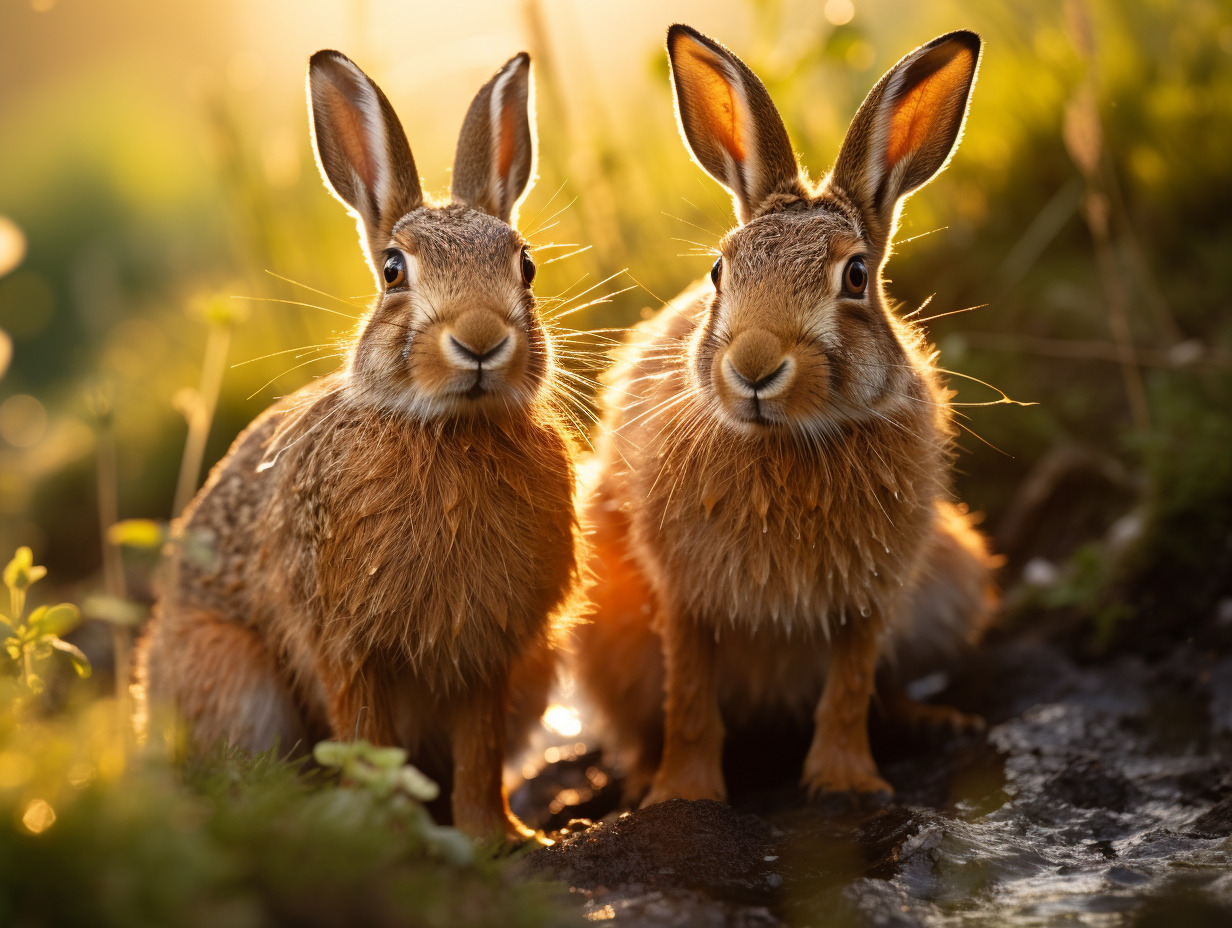
Behavior and reproduction: how the sexes interact in nature
The life cycle of hares is marked by distinct behavioral strategies according to sex, which directly influence reproductive processes. Males, in their quest for dominance to attract potential mates, engage in spectacular fights known as ‘boxing’. These confrontations, far from being mere displays of strength, are actually complex rituals where natural selection operates, favoring the individuals most fit to reproduce.
Females, on the other hand, exhibit more selective behavior when choosing their partner. They prefer the most vigorous and well-adapted males, those capable of proving their superiority during the contests. This selection ensures the transmission of the best genetic traits to the offspring, thereby optimizing the survival chances of young hares in an often hostile environment.
During the breeding season, females can conceive several litters per year, highlighting a high reproductive capacity in this species. Gestation lasts about 42 days, after which well-developed leporids are born, capable of feeding themselves shortly after birth. This rapid maturity of the young is fundamental for their survival and reflects the effectiveness of these reproductive strategies.
The dynamic interaction between the sexes is not limited to the breeding season. Indeed, male and female hares display variable social behaviors throughout the year, depending on available food resources and climatic conditions. These social interactions regulate population density and space use, essential factors for the conservation of the species. Observing hare behavior in their natural habitat reveals a complex and nuanced organization, a reflection of millennia of evolution.